

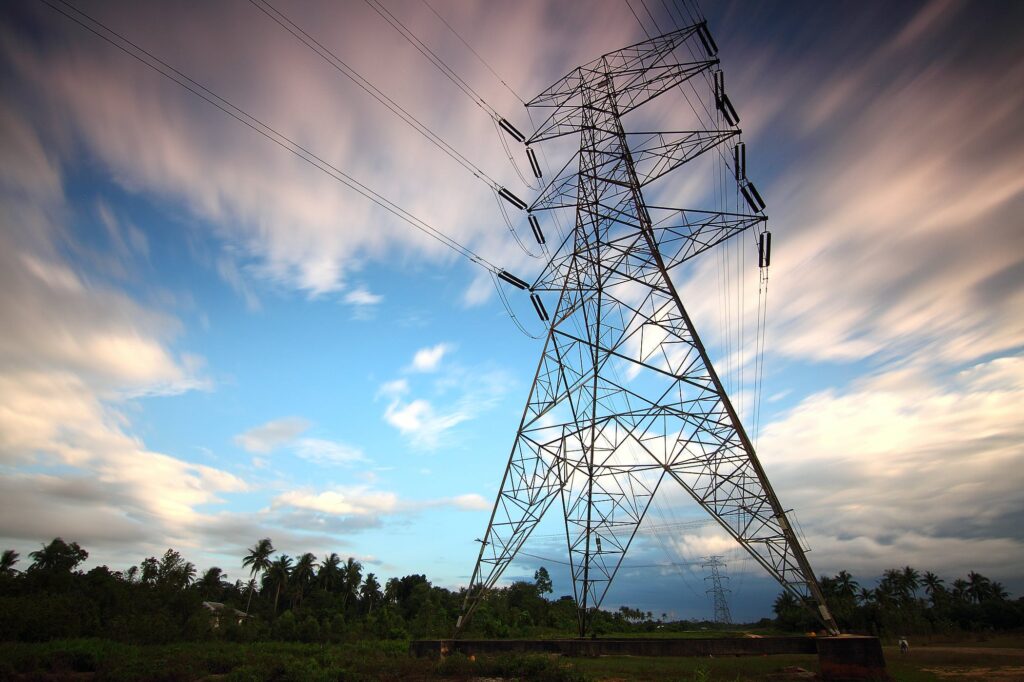
Xcel Energy, a prominent utility company, is currently embroiled in a legal battle facing nearly 300 lawsuits filed by homeowners, local governments, and even retail giant Target in the aftermath of the devastating Marshall fire.
This tragedy, which occurred on December 30, 2021, left two people dead and over 1,000 homes and commercial properties destroyed, resulting in more than $2 billion in property damage. The legal landscape surrounding this incident is complex, primarily due to the fire’s two distinct origin points.
In this blog, we delve into the details of the lawsuits, the alleged causes of the Marshall fire, and the intricate legal arguments unfolding.
The Marshall Fire and Its Origins:

The Marshall fire swept through parts of unincorporated Boulder County, Superior, and Louisville, leaving a trail of destruction in its wake. Investigations into the fire’s origins identified two primary ignition points: a loose wire owned by Xcel Energy and a week-old smoldering fire started by members of the Twelve Tribes, a religious cult with a compound in Boulder County. The convergence of these two ignitions resulted in the most destructive wildfire in Colorado’s history.
The Legal Battle:

As of now, 281 lawsuits have been filed against Xcel Energy, encompassing a multitude of plaintiffs, including homeowners, insurance companies, and government agencies. Notably, a single lawsuit filed last summer involved nearly 250 individual plaintiffs. The complexity of the legal arguments arises from the dual nature of the fire’s origins, with Xcel Energy vehemently denying any responsibility for the second ignition.
Gerald Singleton, managing partner of the Singleton Schreiber law firm representing numerous Marshall fire homeowners, highlighted the unprecedented nature of the case. With a billion-dollar utility company on one side and a religious organization, the Twelve Tribes, on the other, the legal proceedings promise to be intricate. Singleton anticipates that Xcel will likely attribute most damages to the Twelve Tribes and contest the timing and occurrence of the fires’ merger.
Xcel’s Defense and Counterarguments:

Xcel Energy adamantly denies any role in the second ignition, citing the official investigation’s findings that the fire started 80 to 110 feet away from their power lines. The company disputes the claim that their power lines caused the ignition, asserting that it occurred in an area with underground coal fire activity.
During the litigation process, Xcel is expected to shift blame onto the Twelve Tribes, arguing that damages caused by their facility are not their responsibility. This strategy aligns with previous cases involving multiple ignitions, according to Singleton. Xcel contests the sheriff’s investigation, claiming it is flawed and expressing dissatisfaction with not being given an opportunity to review or comment on the findings. Furthermore, Xcel insists that its power lines in the area were properly maintained.
Investigations by Plaintiff Lawyers:

In response to the official investigation, lawyers representing Marshall fire victims have initiated their own investigations into the wildfire’s origin. These lawyers have enlisted experts to help map the blaze’s path and understand the progression of the fire. Scott Maynor, part of the Marshall Fire Lawyers team, emphasized the importance of tracing the Xcel fire’s progression in building a robust case against the utility company.
The Twelve Tribes’ Role in the Lawsuits:
Interestingly, none of the nearly 300 lawsuits have targeted the Twelve Tribes as defendants. The official investigation, which reported that Twelve Tribes members started a fire on December 24, 2021, to burn trash and yard debris, makes proving negligence by the cult’s members challenging. Authorities, including fire and law enforcement officials, had approved the cult’s plan to extinguish the embers, making it difficult to argue that the Twelve Tribes are liable for the fire’s devastating consequences.
CenturyLink, Teleport Communications, and Target’s Lawsuit:

Among the myriad lawsuits, only one names defendants other than Xcel Energy. The lawsuit filed by retail giant Target also includes CenturyLink and Teleport Communications LLC as defendants. Target’s complaint blames the wildfire on the two telecommunications companies, alleging that their equipment, attached to the same pole as Xcel’s, played a role in the fire. The lawsuit suggests that CenturyLink’s wires may have come loose, striking Teleport’s wires and causing them to unravel, potentially leading to the fire’s ignition.
Efforts to reach Target’s lawyers for comments on the lawsuit have been unsuccessful. Maynor, part of the Marshall Fire Lawyers team, mentioned that investigations into the involvement of CenturyLink and Teleport are ongoing, and other plaintiffs have not ruled out these defendants.
Basis of Lawsuits and Damages Sought:

All the lawsuits, including the one by Target, cite negligence, trespass, and public and private nuisance laws as the basis for their claims. The plaintiffs are seeking unspecified amounts of damages for the losses suffered as a result of the Marshall fire. The lawsuits reflect the magnitude of the tragedy, with damages ranging from property destruction to financial losses suffered by local governments, businesses, and individuals.
Consolidation of Lawsuits:

Given the substantial number of lawsuits, the cases have been grouped as a mass-action lawsuit. This means that while the litigation will be consolidated, any settlements or jury awards will be distributed based on individual losses. The severity of the impact on each plaintiff will determine the compensation, ensuring a fair distribution of resources.
Similarities to Other Utility Company Lawsuits:

The legal battle faced by Xcel Energy in the wake of the Marshall fire mirrors concerns increasingly shared by utility companies as climate change intensifies fire risks. Malfunctioning equipment or downed power lines pose significant threats, potentially igniting fires on dry grounds and causing widespread devastation. This scenario is not unique to Xcel, as demonstrated by Pacific Gas & Electric (PG&E), a California utility company that declared bankruptcy in 2019 after its equipment malfunctioned, leading to deadly wildfires.
Notable Additional Lawsuits:

Apart from the bulk of lawsuits against Xcel Energy, there are notable additional cases filed in connection with the Marshall fire. The family of Nadine Turnbull, one of the two individuals killed in the fire, has filed a lawsuit against Xcel for wrongful death, negligence, and other failures. Nadine Turnbull lost her life while attempting to rescue dogs from her burning house. Furthermore, multiple Boulder County government bodies, including the Board of County Commissioners, the Louisville and Superior governments, and the Boulder Valley School District, have filed lawsuits seeking compensation for their financial losses related to the fire.
In July, 150 insurance companies jointly filed a lawsuit against Xcel, aiming to reclaim money paid to homeowners, renters, and businesses who suffered property losses in the Marshall fire. This legal action underscores the wide-ranging impact of the fire, extending to the insurance industry’s financial losses.
Conclusion:
The Marshall fire serves as a stark reminder of the escalating challenges faced by utility companies in a changing climate. The outcomes of these lawsuits will not only impact Xcel Energy but also set precedents for how utility companies are held accountable for their role in devastating wildfires. As the legal proceedings unfold, it remains to be seen how the courts will navigate the complexities of the case and deliver justice to the victims of the Marshall fire.