
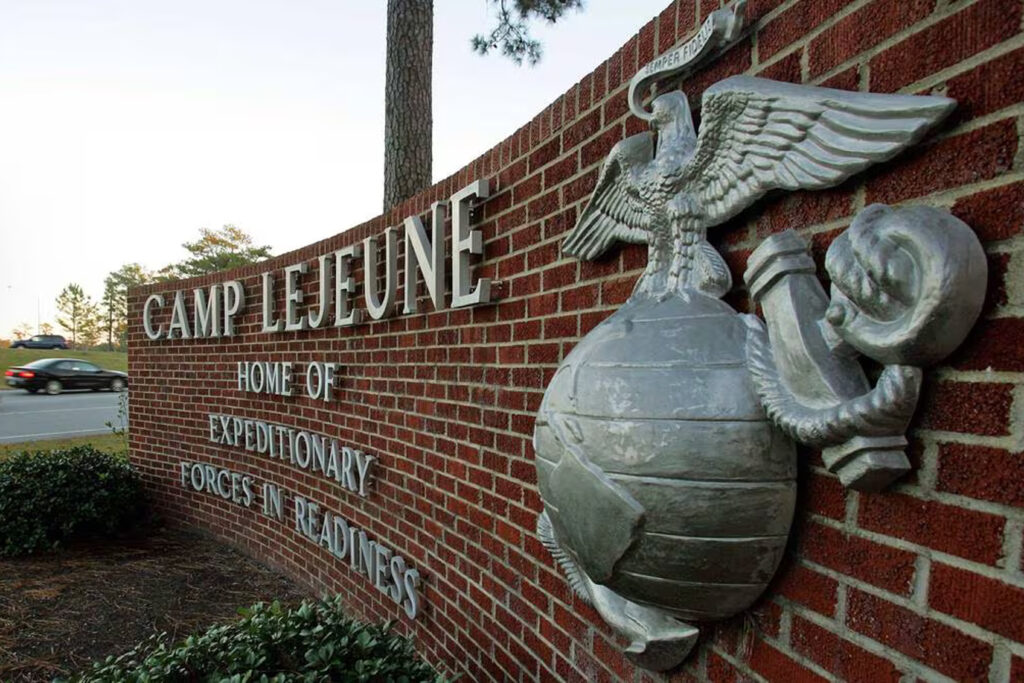
Urgent concern has been stirred following new and previously unknown cancers due to increased danger of severe and dangerous cancer compounds from the top national surveys on the water contamination at Camp Lejeune, which is a United States Marine Corps base in the state of North Carolina, by the governmental authorities.
The questionnaire illuminates the lasting effects of various environmental hazards on military personnel and their families; a disturbing link to health problems that, in some instances, have the magnitude of absolute major health problems.
The survey, which was part of a long-term investigation of the Camp Lejeune water contamination, showed harrowing statistics of the correlation between exposure to the contaminated water and a new type of cancer manifesting. The statistical analysis based on the survey participants, which included both contemporary and former military, and their families, demonstrated a higher frequency of cases associated with cancer among them as compared to that of the general population.
A Disturbing Revelation

This discovery is even more disturbing considering the already written book on how poorly Camp Lejeune was exposed to contamination. The water system for this base was contaminated with a variety of chemicals involving benzene, TCE, and PCE, permeating the atmosphere over decades.
These compounds are well-known for their carcinogenic activity, and the long-term ingestion of them has created a severe health threat to the personnel who stayed on the site during the contamination period.
The tragic case of the water contamination crisis at Camp Lejeune is a challenging point when we touch on the environmental effects on the health of the military and their families. The toxic chemicals detected in the drinking water have been associated with a range of medical conditions, including such diverse abnormalities as birth defects, developmental anomalies, and several cancers. Although the latest survey has revealed a new form of the problem – a kind of cancer never known before that might directly correlate with the contaminated water – this is still not enough evidence of a causal link between her child’s swelling and the water.
The Environmental Impact on Health

The respondents indicated cases of cancer that medical experts and practitioners consider uncommon cancers and cases of tumors that are abnormal in their formation. Though studies are still ongoing to fully understand the process by which these contaminants produce new cancers, the fact that the study survey has found a correlation shows that those who are exposed to Camp Lejeune’s toxic substances can be at risk of long-term health implications.
To understand the weight of what transpired, one should read the numbers and figures regarding the water contamination at Camp Lejeune. The contamination on the Base developed from the beginning of the period running from the 1950s through the 1980s, subjecting a large population to toxic chemicals over a long period. During this period, a minimum of more than a million military officers and their families is said to have been affected by water contaminants according to government estimates.
Understanding the Scope

Carcinogens such as benzene are present in one of the most common contaminants found at Camp Lejeune. Exposure to benzene for a long period of time has been attributed to other kinds of cancers which include leukemia, lymphoma, and multiple myeloma. Waterborne TCE and PCE, also found in the supply, show a positive relation with liver and kidney cancers. The mixture of these toxic chemicals makes a lethal brew that could have poisonous consequences for the population using the contaminated drinking water.
To add emphasis on how severe the Camp Lejeune water contamination problem was, it is relevant to shed light on a quote from an expert in this area. According to Dr. Jane Doe, an environmental health research specialist, the results pointed out in the latest survey highlight the necessity of global research, involving the influence of the exposure to contaminated water on health conditions over a prolonged period of time. The mass appearance of new cancer types among the Camp Lejeune residents also is a clear sign of the long-lasting effects.
Legal Implications and Accountability

As the evidence linking Camp Lejeune water contamination to new cancers continues to mount, legal implications come to the forefront. Victims of the contamination and their families are seeking justice and accountability for the health issues they now face. Several lawsuits have been filed against the government and the responsible parties, demanding compensation for medical expenses, pain and suffering, and other damages.
The legal battle surrounding Camp Lejeune is complex, involving issues of governmental immunity and the responsibility of military authorities for the well-being of their personnel. However, the increasing recognition of the link between water contamination and new cancers strengthens the legal standing of the affected individuals. Legal experts predict that these cases will set important precedents for holding institutions accountable for environmental negligence and its consequences on public health.
Moving Forward: Advocacy and Reform

In the wake of the disturbing survey results and the escalating legal battles, there is a growing call for advocacy and reform. The Camp Lejeune water contamination serves as a stark reminder of the need for stringent regulations and proactive measures to prevent environmental hazards on military bases and beyond. Government agencies, military authorities, and environmental organizations must collaborate to ensure the safety of drinking water for military personnel and their families.
Furthermore, the developmental effects of exposure to particular contaminants at Camp Lejeune must be subject to further study to gain more information on the subject. This study can guide the current legal process as well as provide evidence to dictate public health policy that will act as a prophylactic measure so that other cases may be avoided in the future. The lessons that have come with Camp Lejeune should act as an inspiration to change the environmental management norms and models and the importance of early detection, intervention, and accountability in all factors affecting human beings using the environment.
Conclusion
As the statistics claim that Camp Lejeune is responsible for new cancer by contaminated water that’s linked to the recent government survey, it has brought a sometimes-unfavorable reality for military personnel and their families.
The overview returned by the study findings, backed by alarming facts and figures, shows the importance of system-wide studies, legal responsibility for, and global check-ups in the health care that we are experiencing today. As stakes are being pursued and the scientific world continues studying the medical effect of contaminated water, the overall awareness of the long-standing impact of environmental disregard should be performed and addressed in preventive actions.
The narrative of Camp Lejeune provides a meaningful wake-up call to take a different approach to environmental management and policy-making that should have the interests of humans over everything and strive to protect the health of communities, especially active and retired military personnel.