

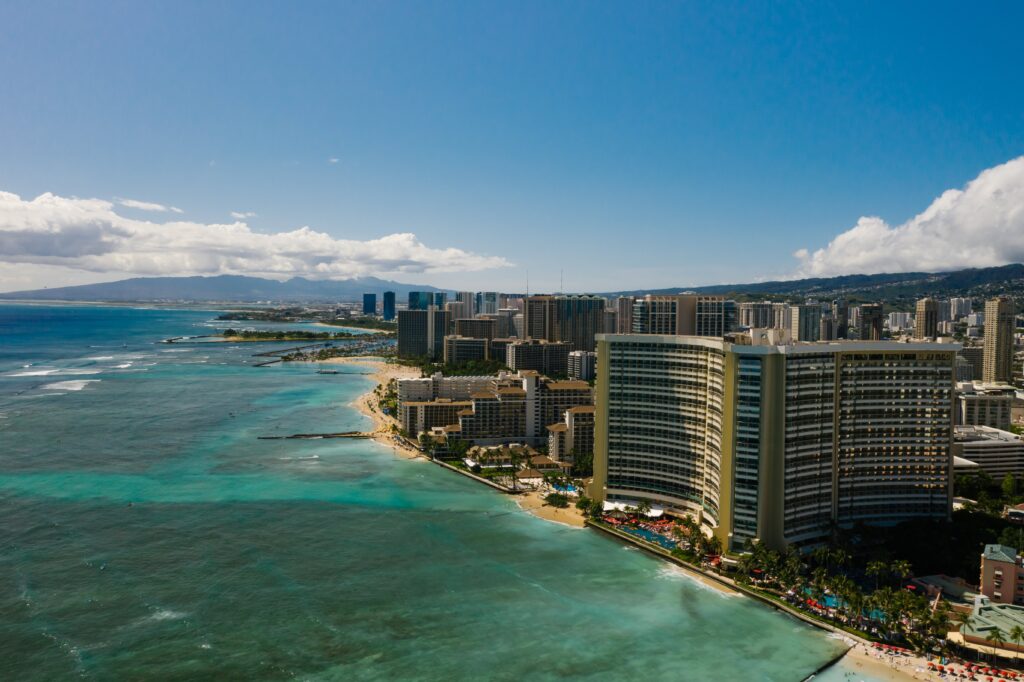
In the aftermath of the catastrophic wildfire that engulfed Maui’s historic town of Lahaina in August, the recovery process has been both a testament to human resilience and a sobering reminder of the destructive power of nature.
Recently, officials in Hawaii made a poignant announcement, identifying the last of the 100 known victims of the wildfire that left a profound impact on the community.
The Last Victim: Lydia Coloma’s Story

The final victim was revealed to be 70-year-old Lydia Coloma, whose tragic fate was shared by her husband, sister, brother-in-law, niece, and nephew. Hailing from the Ilocos Sur province in the Philippines, Lydia Coloma’s identification was based on the context of where her remains were discovered, rather than through DNA or other positive identification methods. The delay in her identification left her sister-in-law, Tina Acosta, in Honolulu, waiting anxiously for closure.
The arduous process of identifying the victims involved forensic experts and cadaver dogs sifting through ash, searching for bodies that were possibly cremated in the intense heat of the wildfire. While DNA testing initially allowed officials to revise the death toll downward, from 115 to at least 97, the toll rose slightly over the next month as some victims succumbed to their injuries or as additional remains were discovered. The number of those unaccounted for also decreased, leaving only three individuals on the list.
Age Disparity and the Lingering Impact:

The victims’ ages ranged from 7 to 97, with more than two-thirds of them being in their 60s or older, according to Maui police’s list of known victims. Notably, several were residents of a low-income senior apartment complex, underscoring the vulnerability of certain demographics in the face of such disasters.
The recovery efforts faced numerous challenges, and the trauma inflicted by the deadliest wildfire in the U.S. in more than a century continues to reverberate. Six months post-blaze, around 5,000 displaced residents still found themselves living in hotels or other short-term accommodations around Maui. Economists cautioned that without zoning and other changes, housing costs in already expensive Lahaina could become prohibitively expensive for many during the rebuilding process.
Investigating the Cause:

As the victims’ stories unfolded, so did the investigation into the cause of the wildfire. The fire, which destroyed over 2,000 buildings, most of them homes, is estimated to have caused $5.5 billion in damages. The exact origin of the blaze remains under scrutiny, with a prevailing theory suggesting downed power lines that ignited dry, invasive grasses.
An in-depth investigation by the Associated Press hinted at the possibility that an overgrown gully beneath Hawaiian Electric Co. power lines played a role, harboring smoldering embers from an initial fire that burned in the morning and then rekindled in high winds that afternoon.
Rebuilding Lahaina: A Long Road Ahead
The disaster not only scarred the landscape of Maui but also left an indelible mark on the collective psyche of its residents. Caught in a hellscape, some residents perished in their cars, while others sought refuge in the ocean or attempted to flee to safety. The emotional toll has been immeasurable, and the scars will linger for years to come.
In a bid to move forward, authorities began reopening the burn zone to residents and property owners who lost their homes, cautioning against sifting through the ashes due to the risk of raising toxic dust. This month, debris removal crews initiated the process of clearing residential lots. The waste is being meticulously wrapped in thick industrial plastic before the Army Corps of Engineers transports it to a temporary storage site south of Lahaina.
The Road to Resilience: Lessons Learned

As Lahaina navigates the challenging path to recovery, there are valuable lessons to be learned from this tragedy. The importance of robust disaster preparedness, community support, and proactive measures to mitigate the impact of such catastrophic events cannot be overstated.
The economic repercussions of the wildfire have highlighted the need for thoughtful zoning and policy changes to ensure that Lahaina remains an accessible and affordable community for its residents. The rebuilding process provides an opportunity not only to reconstruct physical structures but also to fortify the community’s resilience against future challenges.
Efforts to Support the Displaced:

The six-month mark post-wildfire finds around 5,000 displaced residents still grappling with the consequences, residing in temporary accommodations around Maui. Efforts by local and federal agencies have been made to support these individuals in their journey towards stability. Counseling services, mental health support, and community outreach programs have been implemented to address the emotional toll and trauma inflicted by the disaster.
Economists and policymakers are collaborating to find sustainable solutions to the housing crisis that has emerged post-wildfire. Zoning changes, coupled with financial assistance programs, are being explored to ensure that Lahaina remains an inclusive community where residents can rebuild their lives without facing insurmountable financial burdens.
Environmental Impact and Ecological Recovery:
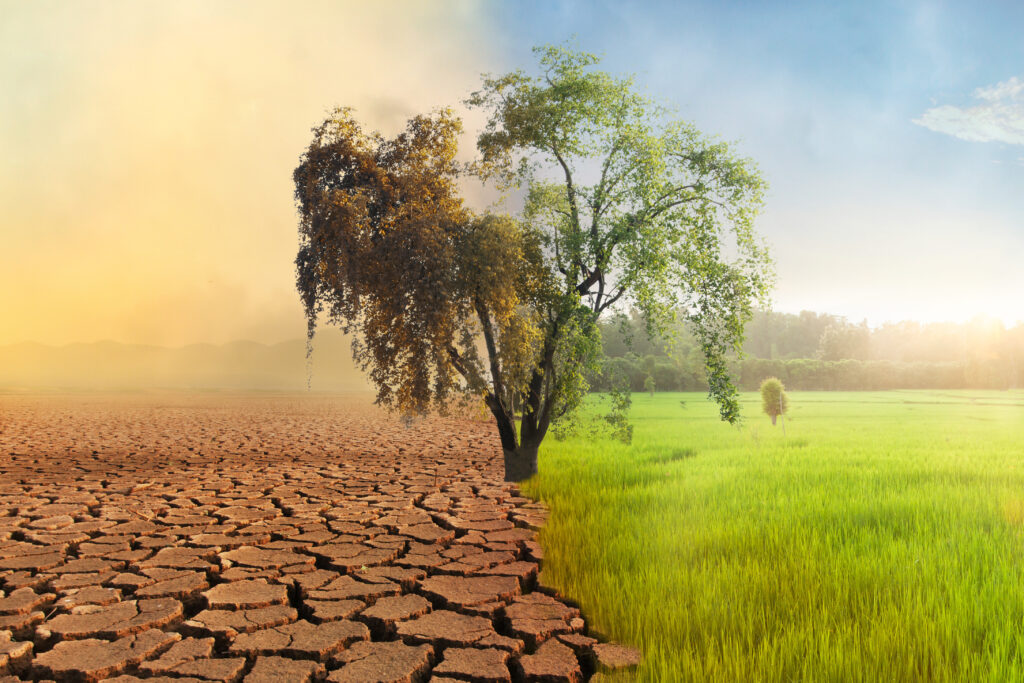
Beyond the human toll, the Lahaina wildfire had a profound impact on the environment. The lush landscapes that once defined the region were reduced to ash, leaving a stark reminder of the delicate balance between human development and the natural world. Efforts are underway to assess the ecological damage and implement strategies for reforestation and habitat restoration.
Environmental organizations and local authorities are collaborating to replant native vegetation, restore watersheds, and prevent erosion in the burn zone. These efforts not only contribute to the ecological recovery of Lahaina but also serve as a reminder of the interconnectedness between human communities and the environment they inhabit.
The Crucial Role of Community Solidarity:

Throughout the tumultuous journey of recovery, the Lahaina community has displayed remarkable solidarity. Neighbors helping neighbors, local businesses extending support, and countless volunteers dedicating their time and resources have been the pillars upon which Lahaina’s resilience stands. Community organizations have played a vital role in coordinating aid, distributing resources, and providing a support system for those affected.
The Lahaina Strong initiative has emerged as a symbol of this communal solidarity, fostering a sense of unity that transcends the challenges faced by individuals and families. The outpouring of support from within the community and beyond serves as a beacon of hope, illustrating that even in the face of tragedy, humanity’s capacity for compassion and collective action can lead to transformative change.
Looking to the Future: A Resilient Lahaina
As Lahaina gradually rebuilds and heals from the wounds of the wildfire, the community looks towards the future with a renewed sense of determination. The tragedy has sparked conversations about urban planning, disaster preparedness, and environmental conservation that will shape Lahaina’s trajectory for years to come.
Local leaders, in collaboration with residents, are actively engaging in discussions about sustainable development, ensuring that Lahaina emerges stronger and more resilient than before. Long-term initiatives are being devised to enhance infrastructure, implement effective disaster response systems, and integrate eco-friendly practices into the fabric of the community.