
The picturesque island of Maui was scarred by a raging fire that tore through the old sugar cane fields in Lahaina in August 2023. The fast-moving wildfire, whipped by strong winds, spread quickly and forced evacuations across the island’s west side.
In the aftermath, serious questions arose about what caused the destructive Lahaina fire and who held responsibility for the damage. Attention has centered on the area’s utility company, Hawaiian Electric, and whether its power lines and equipment inadvertently sparked and spread the flames. Hawaiian Electric now faces heavy legal and financial pressure as it deals with the fallout from the Lahaina fire.
The Lahaina Fire Incident
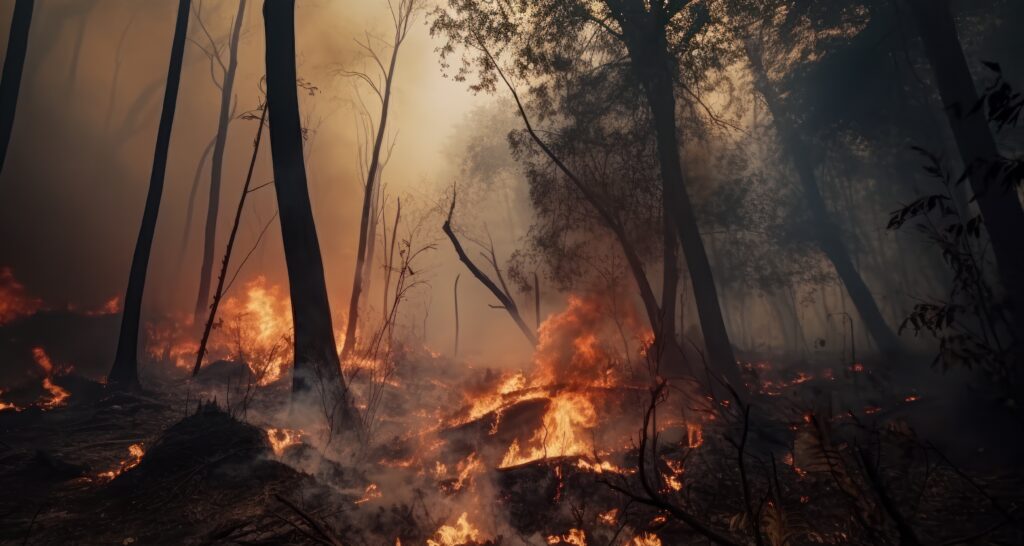
The Lahaina fire started early on August 8, 2023, on a dry hillside among the cane fields that once supported Maui’s sugar industry. Fueled by winds gusting over 20 miles per hour, the wildfire raced across fallow fields and approached residential areas.
Local fire officials ordered evacuations for Lahaina, Olowalu, and parts of west Maui as shifting winds pushed the flames across around 3,000 acres. Many people fled their homes as the fire crept into communities. Firefighters worked for over 12 hours before getting the upper hand on the blaze.
About 100 lives were lost, and the Lahaina fire left a trail of destruction. The flames damaged or affected around 3000 structures, mainly sheds and outbuildings.
The wildfire that originated near Lahaina and devastated numerous acres is believed to have incurred approximately $3.2 billion in costs for insurers, as reported by risk-modeling firm Karen Clark & Co. This estimate serves as another indicator of the financial toll associated with reconstruction efforts following the deadliest wildfires in the United States in over a century. Federal assessments suggest that the overall damage exceeds $5.5 billion.
The charred hillsides now bear the scars of the intense fire. But the most significant lingering impact is the suspicion that Hawaiian Electric power equipment started the tragic blaze.
Legal Pressure Facing Hawaiian Electric
In the weeks after Lahaina residents returned home, multiple lawsuits were filed against Hawaiian Electric, alleging negligence by the utility company. Legal complaints charge that HECO power lines and poles fell into disrepair, sparking the destructive wildfire. Plaintiffs are seeking extensive damages for property loss, evacuation costs, emotional trauma, and more. Hawaiian Electric faces allegations that include:

- Failing to maintain electrical infrastructure properly.
- Allowing power equipment to become faulty or dangerous.
- Not addressing risks posed by aging lines and poles.
- Negligence in operating and monitoring electrical systems.
Suppose Hawaiian Electric is found liable for starting the fire, whether, by equipment failure or other causes, they could be forced to pay tens of millions in judgments. Even if negligence is not proven in court, HECO will rack up hefty legal costs fighting the lawsuits and defending their safety record.
These legal pressures arrive when the utility faces criticism for recent power outages across its service area. Hawaiian Electric must navigate these lawsuits carefully to avoid further reputational damage.
Financial Pressure on Hawaiian Electric
Beyond the costs of the Lahaina fire, Hawaiian Electric now faces broader financial pressures as it deals with the blaze’s aftermath. Defending against lawsuits and paying any damages awarded could significantly burden HECO’s bottom line. Even if legal responsibility remains unclear, Hawaiian Electric will shoulder considerable costs:
- Legal fees to fight lawsuits.
- Potential judgments and settlement payouts.
- Repairing any damaged power infrastructure from the fire.
- Higher insurance premiums after filing claims over fire losses.
The Lahaina fire also harms Hawaiian Electric’s brand reputation and community trust. As customers question HECO’s role in the blaze, the company could lose business to alternatives like rooftop solar power.
Less reliance on the power grid dents Hawaiian Electric’s revenue. Stock prices already sank 14% in the weeks after the fire. Analysts estimate the total financial impact could cost HECO well over $250 million in the next year alone when factoring in lost customers, higher costs, and a hit to their business value.
Hawaiian Electric’s Response

In public statements since the Lahaina fire, Hawaiian Electric leadership expressed sympathy for those impacted but stopped short of accepting responsibility. A company spokesperson acknowledged that HECO is cooperating with investigations into the cause of the fire.
They noted that an origin north of their power equipment suggests other ignition sources. Hawaiian Electric also highlighted its routine maintenance programs to keep infrastructure safe and up to standard.
However, HECO also sought to show they are taking proactive steps in the wake of the fire, including:
- Inspecting all power lines and poles in west Maui for any issues.
- Adjusting operations to turn off automatic reclosing of circuits during elevated fire risk.
- Collaborating with weather agencies to be alerted to high-wind events.
- Partnering with fire departments to stage equipment near risky areas.
- Removing vegetation around potentially hazardous power equipment.
These actions aim to reassure the public, regulators, and civic leaders that Hawaiian Electric takes these incidents seriously. Rebuilding community trust after the Lahaina fire remains a priority for the utility.
Still, Hawaiian Electric maintains that reckless individuals who cause wildfires, not power companies, bear ultimate responsibility. Their mixed response signals a long road still ahead.
Long Road to Recovery
The Lahaina fire deals a heavy blow to Hawaiian Electric, both in financial costs and public perception. But the full impact will play out over years, not months. HECO must focus on these key areas to recover:

- Cooperating with investigations and being transparent about the fire’s cause.
- Settling legal claims reasonably to limit further lawsuits.
- Demonstrating accountability and commitment to safety improvements.
- Restoring the confidence of regulators who oversee their monopoly utilities.
- Regaining community trust through renewed partnerships and engagement.
- Updating risk models that now show higher exposure to fires and climate change.
Analysts warn Hawaiian Electric could face years of legal action, higher costs, and lost revenue after the blaze. However, utilities have recovered from past disasters by learning from mistakes and adapting their business. Will Hawaiian Electric implement meaningful changes in the wake of the Lahaina fire? Their complete recovery hinges on taking responsibility while also defending their interests.
Conclusion
The devastating Lahaina fire was an unexpected tragedy, leaving Hawaiian Electric under immense pressure. As legal claims mount and costs accumulate, HECO faces a turning point. Their response will determine if the utility bounces back or faces a prolonged crisis of confidence.
Hawaiian Electric can potentially emerge stronger by partnering more closely with communities, accelerating their renewable energy transition, and demonstrating accountability. But missteps could deepen concerns about their role in preventing disasters like the Lahaina fire. All of Hawaii will be watching closely in the months and years ahead. The outcome will reveal much about Hawaiian Electric’s resilience and commitment to the islands they serve.