
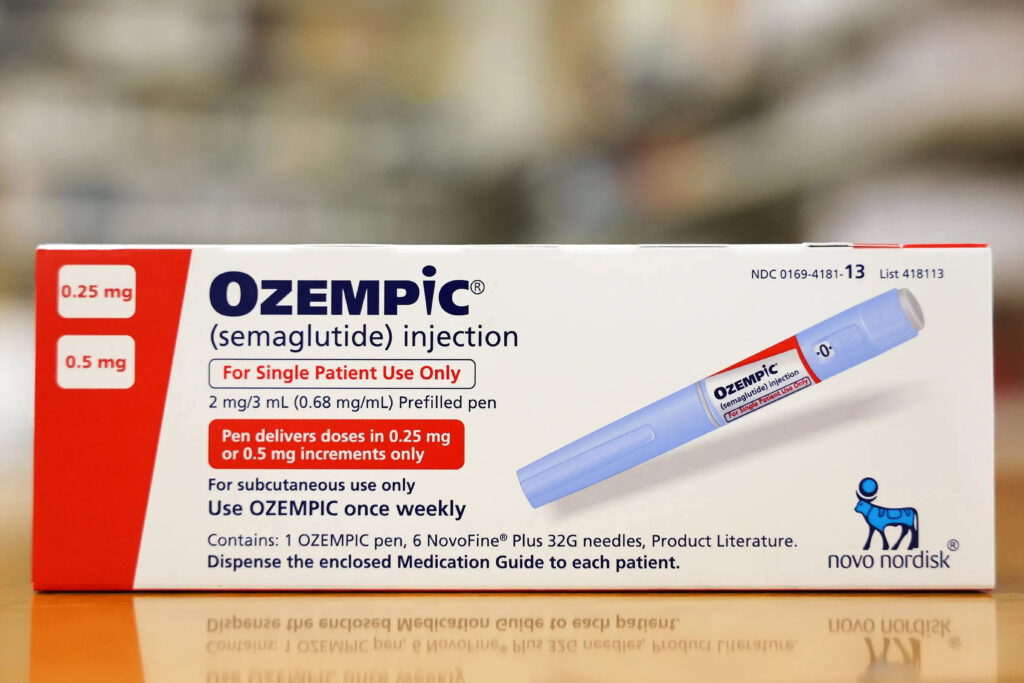
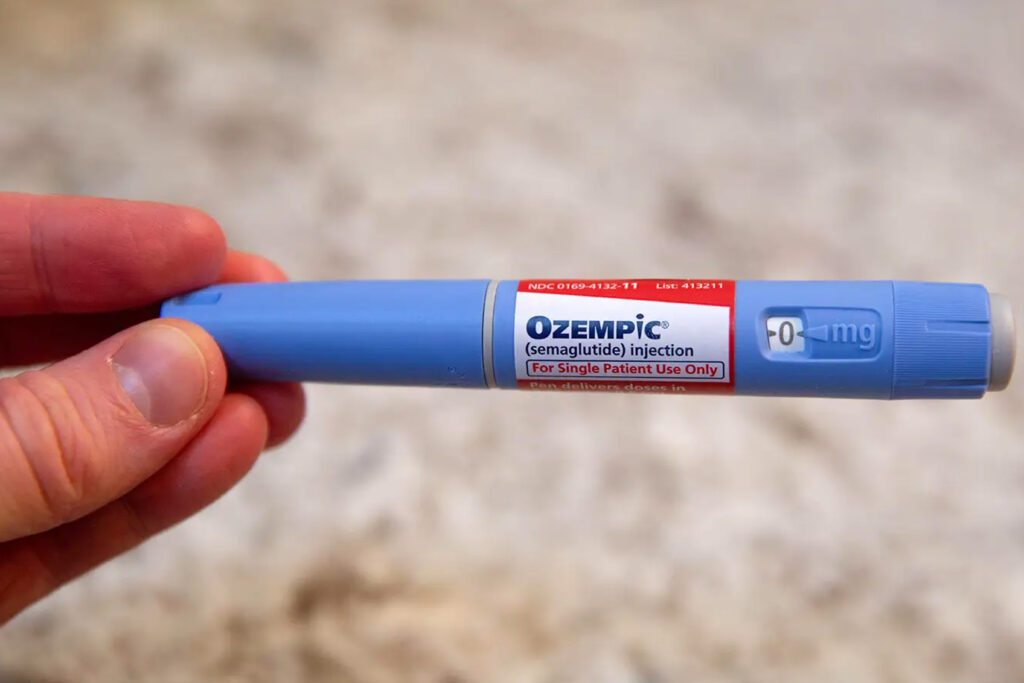
Ozempic (semaglutide) is a medication that improves blood sugar levels in those with type 2 diabetes. Manufactured by pharmaceutical company Novo Nordisk, Ozempic was approved by the FDA in 2017 and belongs to a class of drugs known as GLP1 receptor agonists.
By mimicking the hormone GLP-1, Ozempic helps stimulate insulin release when blood sugar leis high. The once-weekly injection is considered an effective add-on treatment to diet, exercise, and other diabetes medications like metformin.
Along with lowering A1c (average blood glucose levels over three months), the benefits of Ozempic include weight loss and reduced cardiovascular risks. However, the popular type 2 diabetes drug has also been linked to severe side effects, resulting in injury lawsuits filed against Novo Nordisk.
Risks and Side Effects of Ozempic

While Ozempic can provide glycemic control and weight loss benefits, the glucagon-like peptide-1 (GLP-1) agonist also comes with considerable risks. Common adverse reactions associated with Ozempic use include nausea, vomiting, diarrhea, abdominal pain, and less appetite.
More serious side effects involve gallbladder problems, stomach paralysis (gastroparesis), bowel or intestinal obstructions, chronic vomiting, deep vein thrombosis (DVT), esophageal injury, ileus (intestinal inability to contract and pass waste), intraoperative pulmonary aspiration, malnutrition-related disorders, and the potential risk of pancreatic cancer.
These identified health issues highlight a spectrum of complications that have been linked to the use of Ozempic.
Ozempic Lawsuits

Given the many health risks, it’s not surprising that pharmaceutical giant Novo Nordisk now faces escalating lawsuits over complications and side effects attributed to Ozempic. Plaintiffs accuse the drug maker of failing to warn cons and patients about the dangers adequately. Allegations also include negligence and defective design claims.
According to lawsuits consolidated in federal court, Novo Nordisk marketed Ozempic as a safe and effective diabetes medication but neglected their duty to warn of risks like acute pancreatitis, pancreatic cancer, and thyroid C-cell tumors. Plaintiffs argue that these significant side effects warrant black box warnings on the Ozempic label. Lawsuits also allege that its risks outweigh the benefits of Ozempic.
Key Points of Ozempic Lawsuits

There are several central claims within the Ozempic litigation:
- Failure to warn – Lawsuits assert Novo Nordisk failed to warn patients and healthcare providers about the full extent of risks associated with Ozempic. Warnings and precautions on the label are alleged to be inadequate.
- Strict liability – Plaintiffs contend defective design and manufacturing defects make Ozempic unreasonably dangerous. Novo Nordisk is accused of selling a product in a defective condition.
- Negligence – Novo Nordisk is accused of breaching its duty of care by producing and marketing a drug with unreasonable risks. The company failed to exercise reasonable care.
- Punitive damages – Some plaintiffs seek punitive damages based on allegations that Novo Nordisk acted recklessly and put profits over consumer safety. Punitive damages are a way to punish and deter wrongdoing.
Current Status of Ozempic Lawsuits

Attorneys have filed a motion seeking the consolidation of Ozempic lawsuits related to gastroparesis injuries into multidistrict litigation, and there is a possibility of approval in February 2024. In a separate legal matter, unrelated multidistrict litigation for Ozempic patent disputes currently has seven pending cases.
As of February 2024, Ozempic lawsuits are still in their early stages, with no global settlements or jury trials. Notably, there are no class-action lawsuits in the U.S. demanding refunds for the drug; however, lawyers are actively accepting personal injury lawsuits focusing on conditions such as gastroparesis, ileus, and intestinal blockage or obstruction.
What You Can Do If Injured by Ozempic
Suppose you or a loved one experienced severe complications after using Ozempic, including acute pancreatitis, pancreatic cancer, or thyroid tumors. In that case, you may be eligible to pursue legal action and recover damages. Here are some steps to consider if you believe Ozempic caused your health problems:

- Contact an experienced pharmaceutical injury law firm to discuss your case and legal options. An attorney can help determine if you have a valid claim. They will investigate your injuries and guide you through the litigation process.
- Save all documentation related to your Ozempic prescription and medical treatment. This includes pharmacy records, doctor visit notes, hospital bills, and medical images. Records help provide evidence of usage, injury, and financial losses.
- File your claim before the statute of limitations expires. Deadlines vary by state, so it’s advisable to pursue a case promptly. An attorney can advise you on specific time limitations based on your location.
Looking to the Future

The recently consolidated MDL ensures Ozempic litigation will continue through at least 2024. Bellwether trial outcomes will shape the litigation’s size and trajectory. Given the drug’s popularity, many more cases could emerge alleging irreparable harm caused by Ozempic side effects. This flood of lawsuits represents a crucial turning point, as Novo Nordisk will be motivated to settle claims or continue battling in court.
The Ozempic litigation also brings renewed scrutiny to the entire GLP-1 drug class and its safety risks. As the FDA assesses whether additional warnings or restrictions are warranted for Ozempic and related diabetes medications, the future use and availability of these drugs remain uncertain. With public awareness increasing around the potential dangers of GLP-1 agonists, the Ozempic controversy could significantly impact diabetes treatment options for years to come.
Conclusion
In summary, Ozempic is an effective yet controversial type 2 diabetes medication associated with many adverse effects. Injury lawsuits alleging Novo Nordisk failed to warn about risks like pancreatitis and cancer are rapidly increasing. Litigation is still emerging, but upcoming bellwether trials will be telling.
If you suffered severe complications after using Ozempic, consult with an attorney to learn your legal rights. Carefully weigh the risks and benefits of considering Ozempic treatment. Closely monitor for side effects and report issues promptly to your healthcare provider. While Ozempic can help manage A1c levels, the associated safety issues highlight the importance of considering all diabetes treatment options thoroughly.