

Introduction
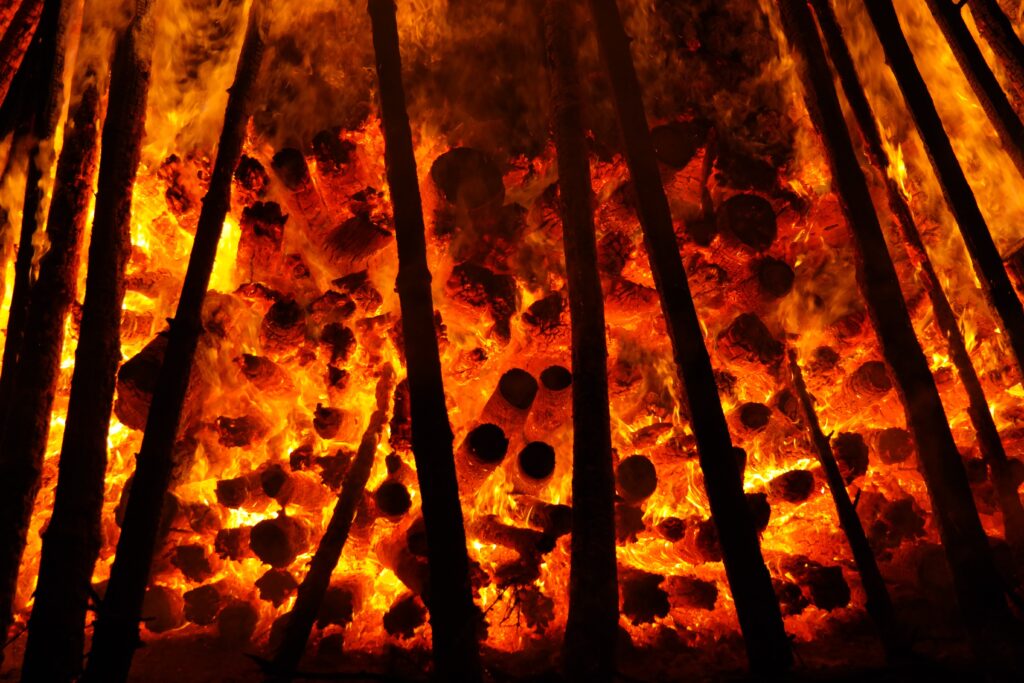
Wildfires have been growing in frequency and intensity in recent years, causing tremendous damage throughout many parts of the United States. According to the National Interagency Fire Center, in 2023, there were 56,580 wildfires that burned 2,693,910 acres alone. With global warming leading to hotter, drier conditions in many areas, experts predict that destructive wildfires will continue to increase.
When a wildfire impacts your property and livelihood, it is crucial to understand the damages that can be claimed to recoup losses. After being forced to evacuate and returning to a burned-out home or business, rebuilding can seem overwhelming.
However, wildfire victims have certain legal rights to Wildfire compensation that can help them get back on their feet. This article will examine some of the critical damages that can be claimed after a wildfire disaster in 2024.
Key Damages to Claim
Following are the key damages for wildfire compensation.

I. Property Damage
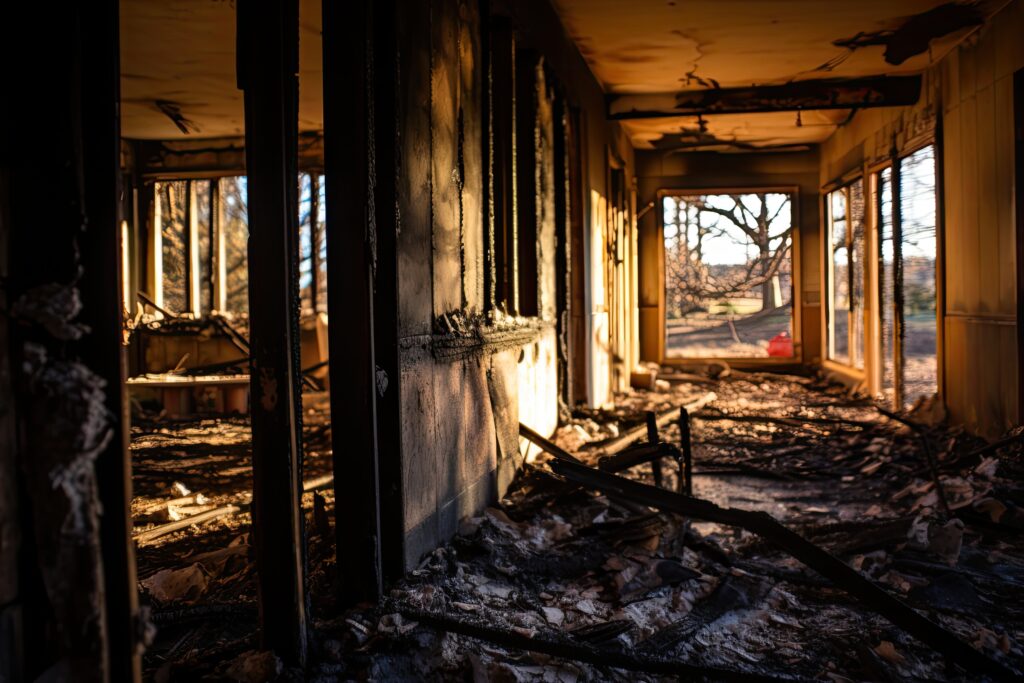
One significant category of wildfire damages involves the loss of or harm to real property. This includes primary structures like homes and commercial buildings and secondary structures like detached garages, sheds, and fences.
Even if a building does not burn entirely, smoke and fire damage can leave it uninhabitable and need significant repairs. Other properties, such as vehicles and landscaping, are also often damaged or destroyed.
Homeowners should thoroughly document any property damage with photographs/video and written descriptions. Work with your insurance adjuster to calculate rebuilding costs, including materials, demolition, debris removal, permits, labor, and meeting updated code requirements. For a total loss, you may be entitled to collect the structure’s replacement cost rather than just its depreciated market value.
Landscaping and trees lost in a wildfire can be valued by an arborist based on species, age, size, and condition. The specialty vehicles, custom parts, or campers on a burned recreational vehicle may increase its replacement cost above market blue book value.
II. Financial Losses

In addition to physical property damage, wildfires often create significant financial hardship for victims. Lost income from damaged commercial property, destroyed inventory/equipment, or disrupted operations should be calculated and included in a claim. Those unable to work or who lose their job due to the wildfire may also have a loss of earnings claim.
Temporary living expenses such as hotel stays, restaurant meals, laundry, storage fees, and other costs above normal incurred while displaced can also be reimbursed. Be sure to save all applicable receipts and records. If rebuilding is delayed, additional living expenses may be reimbursable for many months or even years.
Talk with your adjuster about lost revenue, increased costs, and other fire-related financial impacts. An experienced public adjuster working solely on your behalf can assist in calculating and documenting the full extent of your financial losses.
III. Personal Injury

In addition to financial losses, a wildfire disaster’s physical and mental impacts merit compensation as well. Smoke inhalation is common and can cause lasting lung damage and other health effects. Severe burn injuries requiring medical treatment, including airlifts and reconstructive surgery, may result in high medical bills and permanent impairment.
The emotional trauma of surviving a catastrophic wildfire and losing one’s home can also lead to ongoing psychological treatment and loss of quality of life. Work with your doctor and mental health providers to document your injuries and treatment needs fully. Be aware you may need to file a personal injury lawsuit against a utility company or other responsible party rather than submitting a standard insurance claim.
IV. Loss of Personal Property
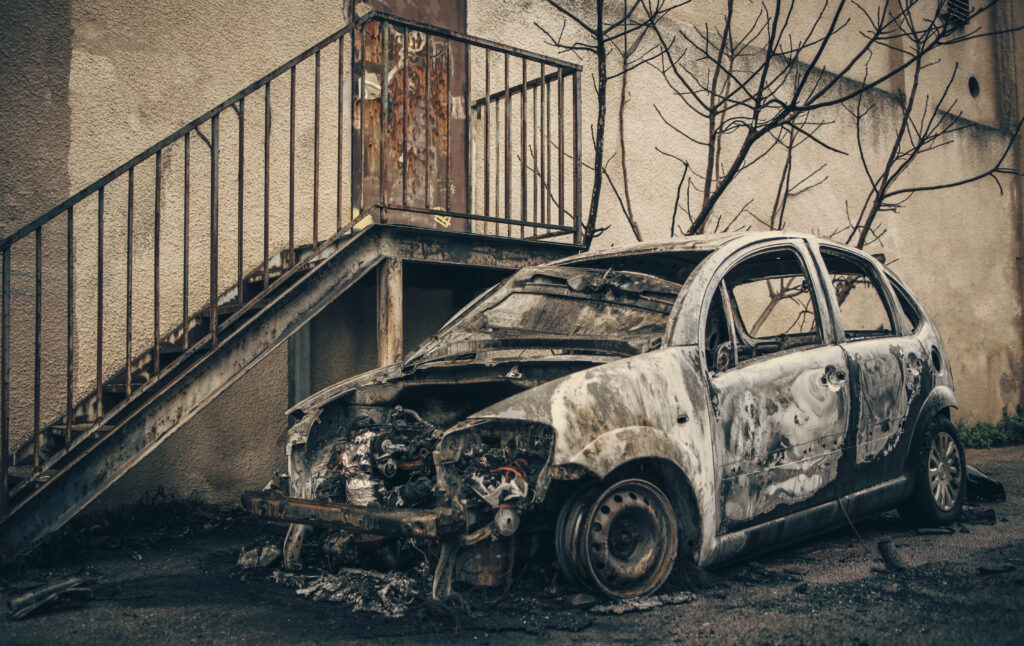
While real property like homes and vehicles tend to get the most attention after a wildfire, most of a family’s possessions are also destroyed. Clothing, furniture, appliances, electronics, and nearly everything inside a building is often reduced to ashes. Even belongings that seem salvageable may be contaminated by smoke or chemicals.
Provide your insurer with a detailed home inventory, including receipts, photos, owner’s manuals, or appraisals to prove the existence and value of lost items. This documentation is vital for high-value items like musical instruments, antiques, and collectibles. Replacement cost coverage is essential, as depreciated cash value will not be enough to reproduce cherished possessions.
V. Cleanup and Repairs
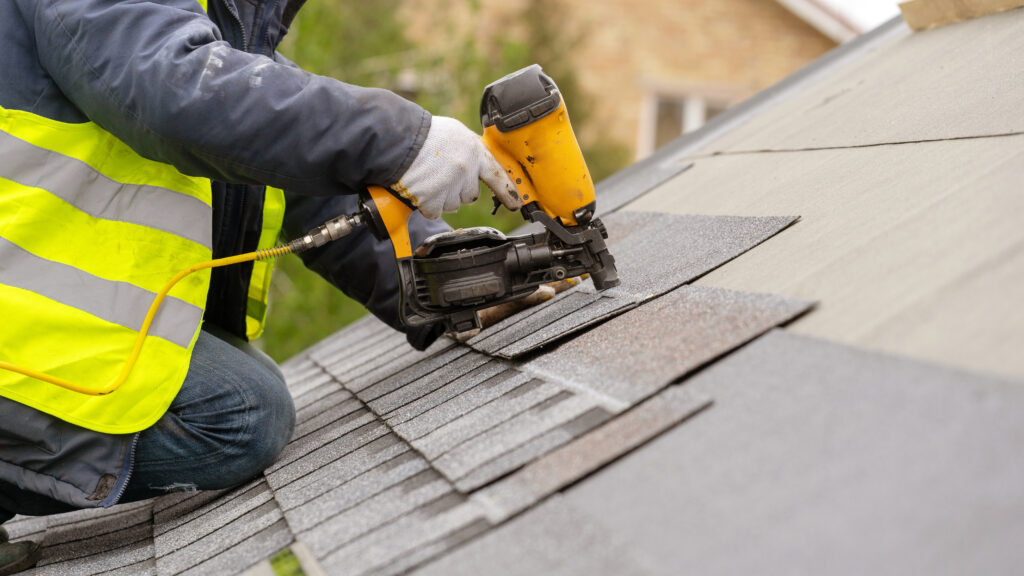
Before rebuilding can begin, extensive cleanup work is typically required to clear debris, assess damage, and stabilize the site. Hazardous materials may need special handling and disposal. In some cases, soil remediation or erosion control measures are necessary. All of these post-fire restoration efforts add substantial costs to the claim.
Ensure general contractors, engineers, landscapers, and other professionals are on board early to handle cleanup and repairs properly. Get multiple bids for big-ticket items to ensure fair pricing. Understand that code upgrades, contractor shortages, or unexpected delays can quickly increase your rebuild’s projected scope and budget. Carefully review any contract or agreement before signing.
Conclusion
Recovering from a devastating wildfire requires navigating a complex web of damage claims and insurance policies. However, the essential first step is understanding the critical types of reimbursable damages.
Thoroughly documenting your real and personal property losses, financial hardships, injuries, and cleanup/repair needs is critical to receiving fair compensation. Consider hiring a trusted public adjuster advocate to handle the claim process on your behalf.
With persistence and the help of professionals, wildfire victims can rebuild and restore what was lost. Though it will never be quite the same, a new home and life for the future remains possible.