
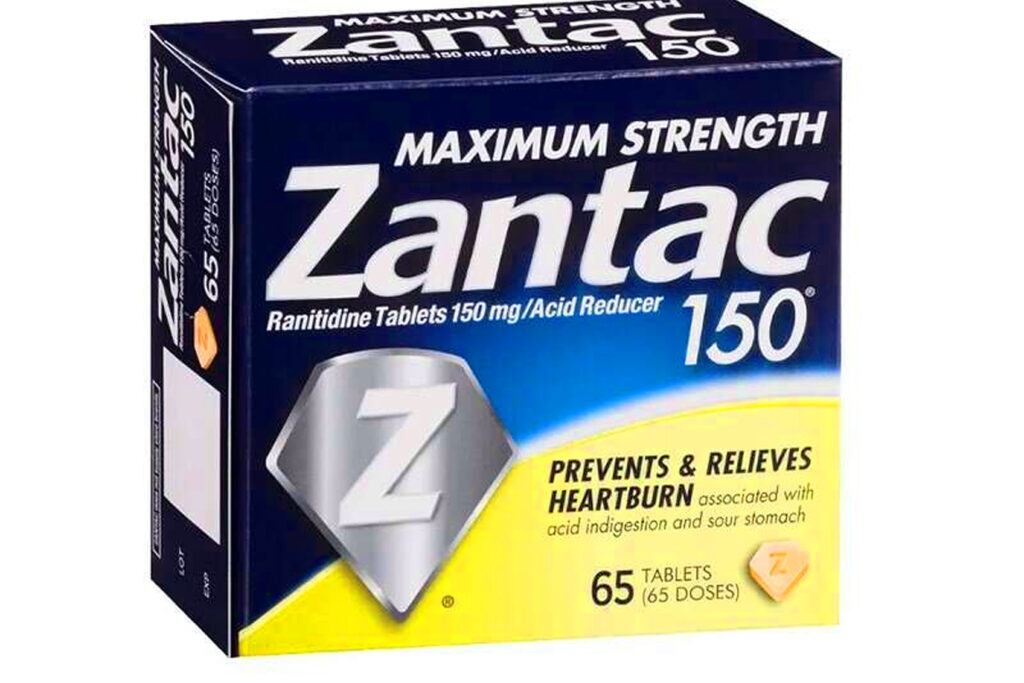
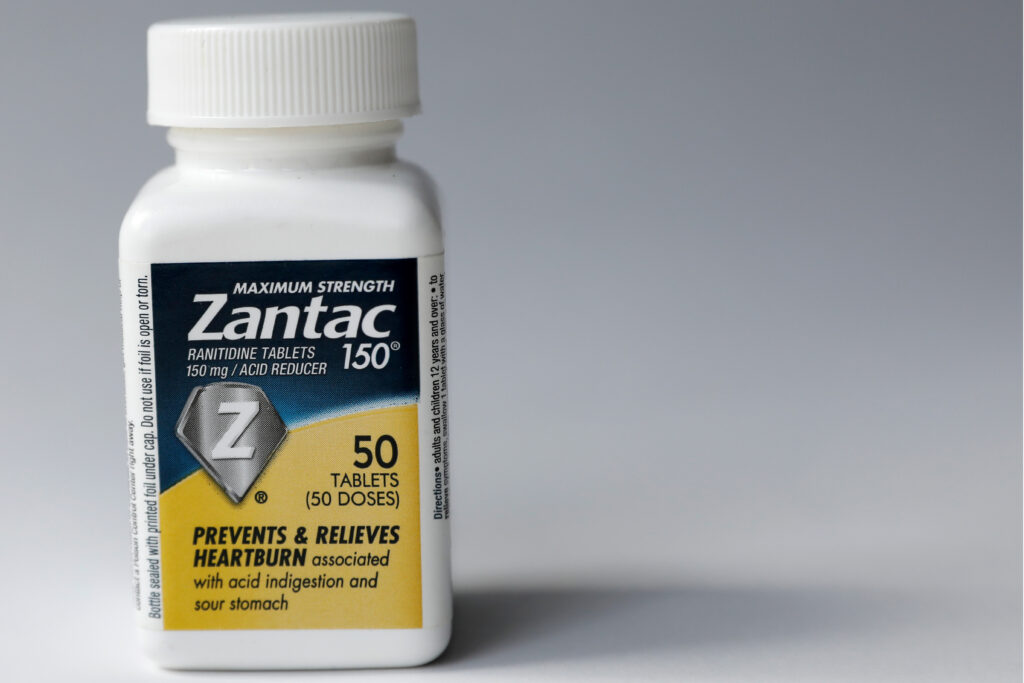
The case, which was slated to go to trial on Feb. 20, alleged that GSK’s discontinued heartburn drug Zantac was responsible for causing cancer.
This settlement is part of a broader trend as GSK seeks to put an end to the costly litigation surrounding Zantac, a drug that was once a global blockbuster but has now become synonymous with legal challenges and health concerns.
Background of Zantac Lawsuits:

The controversy surrounding Zantac began in 2019 when several manufacturers and pharmacies halted its sales due to concerns about the degradation of its active ingredient, ranitidine, over time. The degradation was found to result in the formation of N-nitrosodimethylamine (NDMA), a chemical known to cause cancer in larger amounts. This revelation led to the U.S. Food and Drug Administration (FDA) pulling Zantac and its generic versions off the market in 2020, triggering a flood of lawsuits against GSK.
The withdrawal of Zantac marked a significant fall from grace for a drug that had once been the world’s best-selling medicine in 1988 and was among the first drugs to surpass $1 billion in annual sales. What was once a symbol of pharmaceutical success had now become a subject of litigation and public concern.
The California Challenge:

It’s noteworthy that California has become a focal point for Zantac lawsuits, known for its challenging legal environment for multinational companies. The state’s courts are often perceived as friendlier to plaintiffs, making it a strategic battleground for those seeking justice against powerful corporations. The recent settlement adds to GSK’s efforts to navigate the complexities of Zantac litigation in this demanding legal landscape.
Confidentiality and Non-Admission of Liability:

GSK’s announcement emphasized the confidentiality of the settlement terms and highlighted that the company did not admit to any liability. This approach has been consistent in previous settlements, showcasing GSK’s commitment to resolving the legal challenges without necessarily acknowledging fault. The use of confidentiality clauses is a common practice in pharmaceutical settlements, shielding the specifics of the agreement from public scrutiny while allowing the company to move forward.
Scale of Litigation and Estimated Costs:

As of October, GSK was contending with approximately 79,000 Zantac-related cases in the United States, with a substantial portion, around 73,000, concentrated in Delaware. The sheer scale of the litigation is staggering and has put immense pressure on GSK’s legal and financial resources. Legal analysts have estimated the total settlement costs for GSK to be in the vicinity of $5 billion. This staggering figure underscores the magnitude of the litigation and the financial toll it has taken on the pharmaceutical giant.
The financial impact of the Zantac lawsuits cannot be understated. The estimated settlement costs are a significant liability for GSK, affecting its bottom line and shareholder value. The company has likely been forced to allocate substantial resources to address these legal challenges, diverting attention and funds away from research and development efforts or other strategic initiatives.
Market Response and Financial Outlook:

Despite the ongoing legal battles, GSK’s shares experienced a 2% uptick on Wednesday following the announcement of the settlement. This positive market response can be attributed to GSK surpassing market estimates for its fourth-quarter results and presenting a promising forecast for 2024 and beyond. The optimism revolves around the anticipated growth in GSK’s vaccines and cancer drugs pipeline.
Investors, always keen to gauge a company’s ability to weather legal storms, have seemingly reacted positively to GSK’s financial performance and future outlook. The 2% increase in share value indicates a level of confidence among investors that GSK can manage the financial repercussions of the Zantac litigation while maintaining its overall profitability and growth trajectory.
The positive market response may also be influenced by GSK’s commitment to transparency and cooperation in dealing with regulatory challenges. Companies that proactively address issues, communicate effectively with stakeholders, and demonstrate a commitment to compliance often fare better in the eyes of investors.
Future Implications and Industry Impact:

The Zantac lawsuits have far-reaching implications for both GSK and the pharmaceutical industry as a whole. As one of the largest pharmaceutical companies globally, GSK’s handling of the Zantac litigation sets a precedent for how other companies may address similar challenges in the future. The pharmaceutical industry, already under scrutiny for various reasons, including drug pricing and safety concerns, is closely watching the outcome of these lawsuits.
The impact of the Zantac controversy extends beyond GSK to the broader landscape of pharmaceutical regulation and consumer confidence. The withdrawal of a widely used drug due to safety concerns has heightened public awareness about the potential risks associated with medications, leading to increased scrutiny of regulatory processes and industry practices. Regulatory bodies worldwide are likely to reassess their protocols for drug safety and surveillance to prevent similar incidents in the future.
Consumer trust is a precious commodity in the pharmaceutical industry, and the Zantac saga has undoubtedly shaken that trust. As consumers become more informed and discerning, pharmaceutical companies will need to prioritize transparency, safety, and ethical practices to regain and maintain trust. The aftermath of the Zantac controversy will likely prompt industry-wide discussions about the need for more rigorous testing, monitoring, and communication to ensure the safety of medications.
Legal Precedent and GSK’s Risk Mitigation:

The Zantac lawsuits have created a legal precedent that could influence how future product liability cases are handled in the pharmaceutical industry. GSK’s strategy of settling cases while maintaining confidentiality and not admitting liability could set a template for other companies facing similar challenges. The use of such settlement agreements allows companies to avoid protracted legal battles, manage reputational damage, and limit financial exposure.
However, GSK’s approach also raises questions about accountability and transparency in the pharmaceutical industry. Critics argue that by settling cases without admitting liability, companies might avoid taking responsibility for potential harm caused by their products. This practice could hinder efforts to identify and address systemic issues in drug development, manufacturing, and marketing.
The complexity of pharmaceutical litigation, especially in cases involving long-term use of widely prescribed medications, underscores the need for a robust risk mitigation strategy within the industry. GSK, like other pharmaceutical companies, must continually reassess its practices, from research and development to post-marketing surveillance, to identify and address potential safety concerns promptly.
Public Health Impact and Patient Awareness:

The Zantac controversy has also heightened public awareness about the potential risks associated with seemingly innocuous over-the-counter medications. Many consumers rely on widely available drugs like Zantac for common ailments such as heartburn, assuming them to be safe and effective. The revelation that such a widely used drug could be associated with cancer-causing agents has prompted a reevaluation of consumer trust in the pharmaceutical industry.
The public health impact of the Zantac controversy extends beyond legal and financial implications. Patients and healthcare providers are now more likely to scrutinize medication safety and demand greater transparency from pharmaceutical companies. The incident underscores the importance of continuous monitoring of drug safety, even for well-established medications, to prevent harm to patients and maintain public confidence in the healthcare system.
Conclusion:
As the legal battles persist, stakeholders, including investors and the public, will closely watch how GSK navigates this intricate terrain while maintaining its focus on innovation and growth in the ever-evolving pharmaceutical landscape. The Zantac controversy serves as a cautionary tale for the industry, emphasizing the need for stringent safety measures, transparent communication, and a commitment to accountability to safeguard public health and maintain the trust of consumers. The resolution of the Zantac lawsuits will likely leave a lasting imprint on pharmaceutical regulations, industry practices, and the expectations of a more informed and discerning global audience.